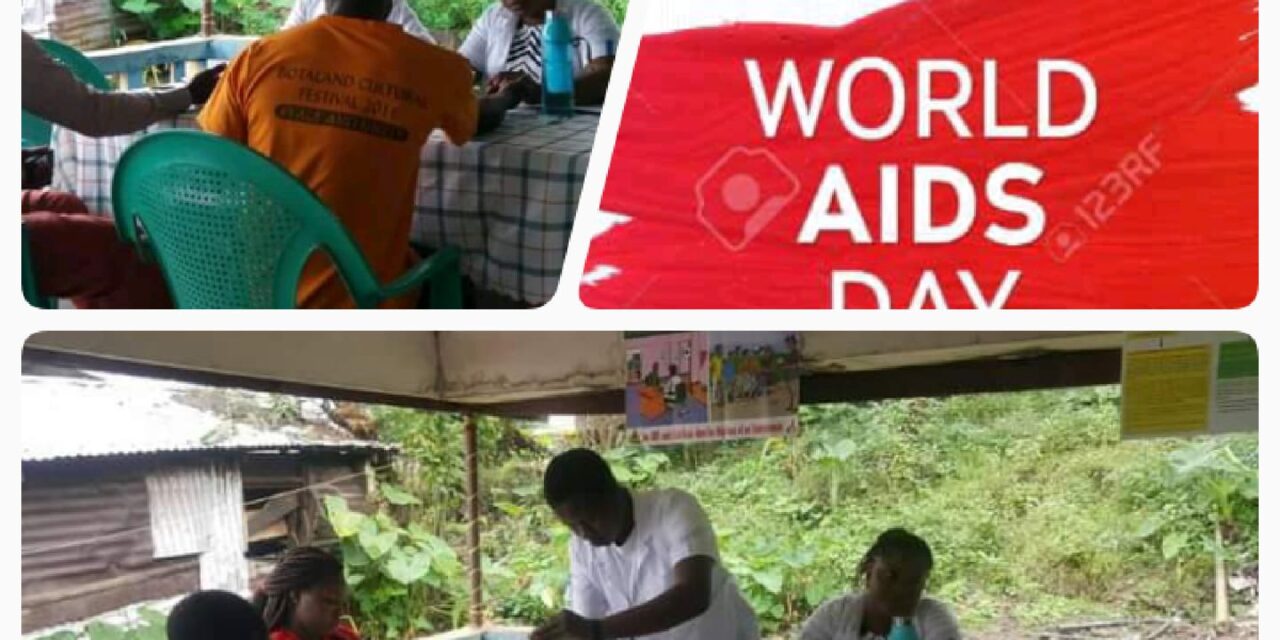
Breaking the Silence: How 253 People in Munyenge Took a Bold Step Toward Knowing Their HIV Status
In many rural communities across Cameroon, fear, stigma, and misinformation continue to prevent people from accessing life saving HIV testing services. Yet in the heart of Munyenge Community, a remarkable story of courage, awareness, and community action unfolded.
Through the leadership of the Centre for Youth and Sustainable Development (CYSD), a powerful HIV Awareness, Testing, and Referral Campaign was launched under the theme “I Know My Status Munyenge.” The initiative brought together community members, health workers, volunteers, women’s groups, and local leaders in a collective effort to improve access to HIV testing and promote healthier lives.
Why Knowing Your HIV Status Matters
For many people, HIV remains a subject surrounded by fear and uncertainty. Some avoid testing because they worry about what others might think. Others simply do not have access to testing facilities or accurate information.
Recognizing these challenges, CYSD designed a community-centered health intervention that combined HIV education, door-to-door sensitization, confidential testing services, and referral support for those needing further care. The goal was simple but powerful: ensure that every individual had the opportunity to know their HIV status and access treatment if needed.
A Community Comes Together
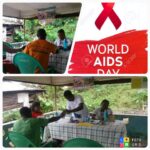
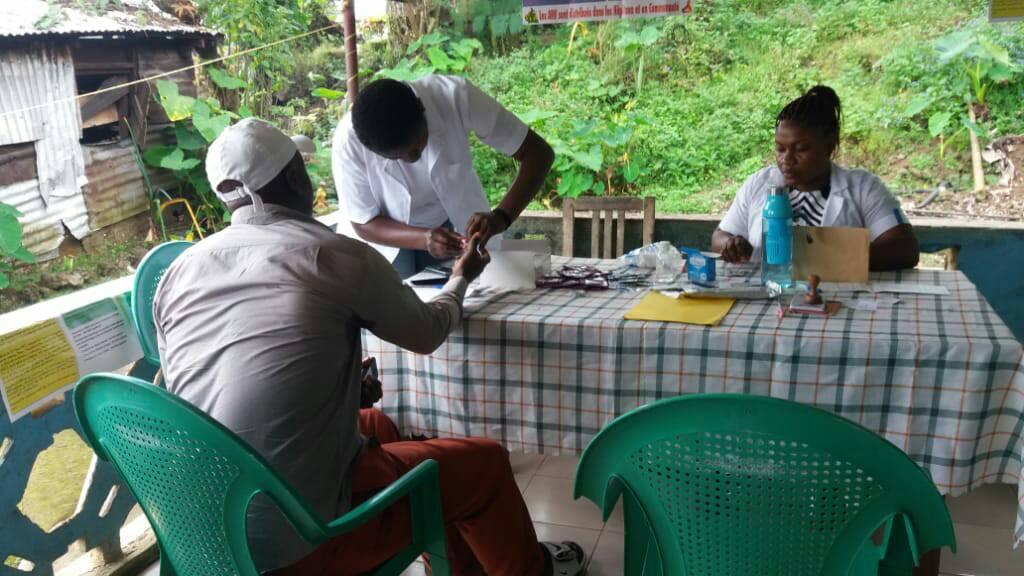
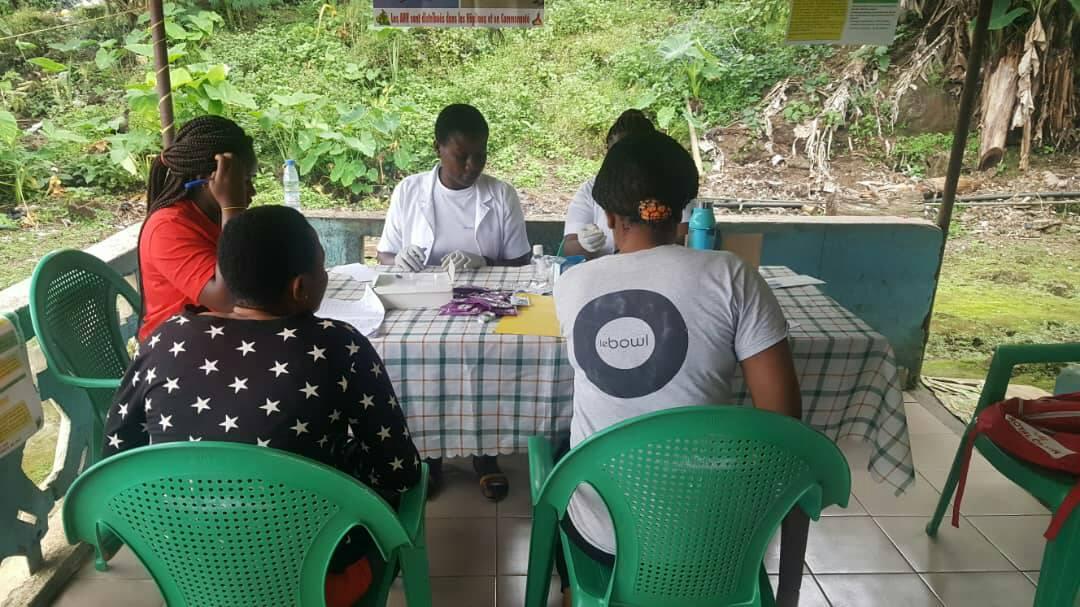
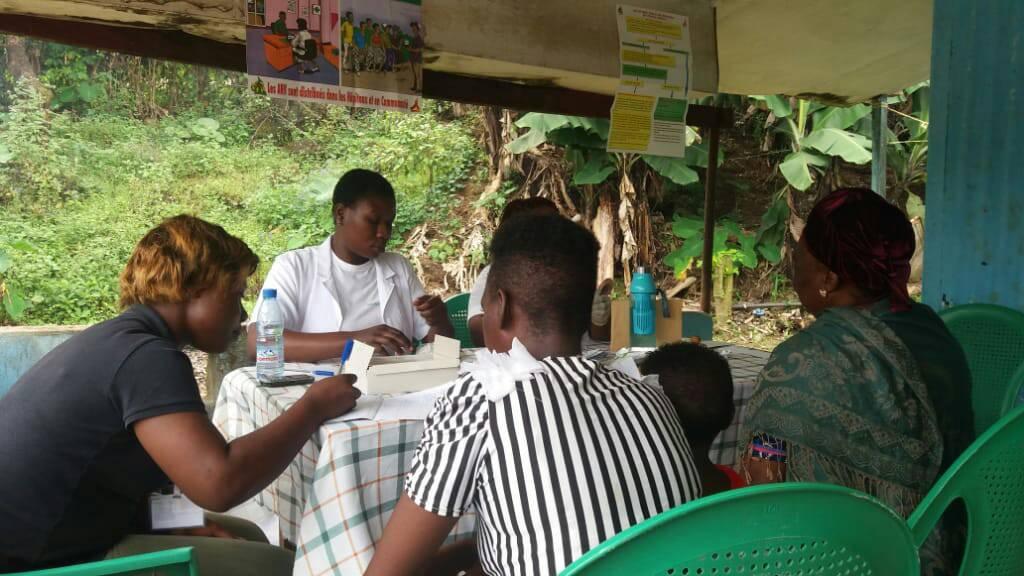
The campaign transformed ordinary community spaces into safe environments where people could learn, ask questions, and receive confidential HIV counselling and testing.
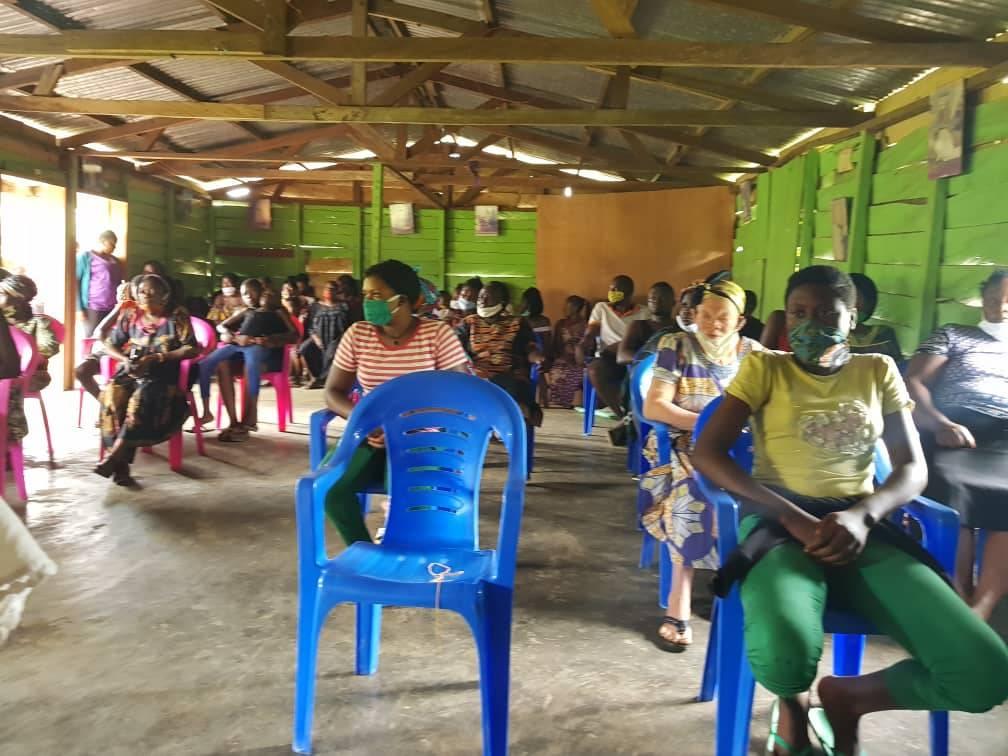
Community volunteers moved from household to household, speaking openly about HIV prevention, transmission, and the importance of early diagnosis. Local leaders and women’s groups played a crucial role in encouraging participation, helping to build trust among residents who had previously been hesitant about testing.
The results were inspiring.
A total of 253 people voluntarily underwent HIV testing, demonstrating a growing willingness among community members to take charge of their health. Women represented 62% of participants, while men accounted for 38%, showing significant engagement across different population groups.
Reaching First-Time Testers
One of the campaign’s most significant achievements was reaching individuals who had not tested for HIV in years.
Many participants admitted that fear and stigma had kept them away from testing centers. However, through continuous awareness sessions and assurances of confidentiality, those fears began to fade. Nearly three-quarters of participants reported feeling less afraid of HIV testing after participating in the campaign.
The initiative also revealed that many residents were returning to HIV testing after long periods without screening, highlighting the critical role community outreach programs play in improving public health outcomes.
Beyond Testing: Connecting People to Care
HIV testing is only the first step in the fight against HIV/AIDS. Equally important is ensuring that individuals who require additional care are connected to appropriate health services.
The campaign established structured referral pathways to health facilities in Muyuka, ensuring that participants requiring further evaluation received guidance and support. Individuals identified for follow-up care were referred to designated health facilities for confirmatory testing and treatment services.
This approach strengthened the continuum of care and reinforced the message that an HIV diagnosis is not the end of the road—it is the beginning of access to treatment, support, and a healthier future.
Fighting HIV Stigma Through Trust
One of the most powerful lessons from the campaign was the importance of trust.
To address concerns about privacy, temporary confidential testing spaces were established throughout the community. Health workers carefully explained confidentiality procedures, helping participants feel secure and respected throughout the testing process. These measures significantly increased community confidence and participation.
The campaign demonstrated that when people feel safe, informed, and respected, they are far more willing to seek healthcare services.
Challenges That Still Remain
Despite the campaign’s success, challenges persist. Cultural beliefs surrounding masculinity continue to discourage some men from seeking HIV testing. Stigma remains a barrier for certain community members, while limited resources make long-term follow-up and referral tracking difficult in hard-to-reach communities. Transporting testing materials and maintaining proper storage conditions also increased operational costs.
These challenges highlight the need for sustained investment in community health programs and HIV prevention initiatives across rural Cameroon.
A Model for Community Health in Cameroon
The Munyenge HIV Awareness, Testing, and Referral Campaign demonstrates what is possible when communities are empowered with knowledge and access to healthcare services.
The initiative showed that community leaders can drive positive change, women can become powerful health advocates, and local organizations can bridge critical gaps in healthcare delivery. Most importantly, it proved that reducing HIV stigma begins with honest conversations, trusted relationships, and accessible services.
As Cameroon continues its fight against HIV/AIDS, community-based interventions like this one provide a roadmap for reaching underserved populations, increasing HIV testing uptake, and ensuring that no one is left behind.
The story of Munyenge is more than a health campaign—it is a story of courage, awareness, and a community choosing hope over fear.
Join Us in Building Healthier Communities
The success of the “I Know My Status Munyenge” campaign demonstrates the power of community-led action in improving health outcomes and saving lives. Yet many rural and conflict-affected communities across Cameroon still lack access to HIV education, testing services, and life-saving treatment.
At CYSD, we believe that every individual deserves access to accurate health information and quality healthcare services regardless of where they live.
You can be part of this change.
Whether you are a donor, health professional, volunteer, corporate partner, or community advocate, your support can help us expand HIV awareness campaigns, strengthen referral systems, train community health volunteers, and reach more vulnerable populations.
Here’s How You Can Help:
- Partner with CYSD to implement community health programs.
- Sponsor HIV awareness and testing outreaches in underserved communities.
- Volunteer your skills and expertise.
- Donate to support health education, testing materials, and referral services.
- Share this story to help reduce HIV stigma and encourage more people to know their status.
Together, we can create healthier communities, reduce new HIV infections, and ensure that no one is left behind.